 Skip to main content



Filter Guide
Ready to Buy! In stock, off-the-shelf options
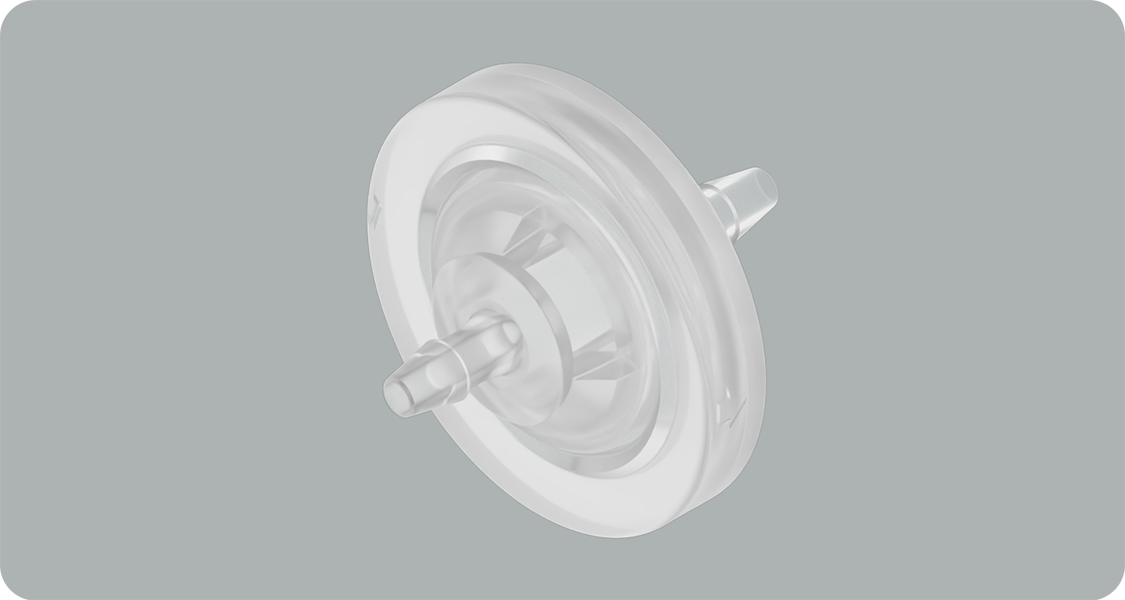
In-Line
Our Polypropylene bodied inline filters, also known as syringe or disc filters, are configurable. Choose from a range of end connections and hydrophilic PET filter micron options 5, 20, 40, 64, 100 & 150, for your optimum solution. We also offer a build your own solution.
Key Features
- Sizes: 3/32", 1/8", 3/16" & 1/4"
- Connection: Barb to Barb
- Material: Animal Free Polypropylene/Hydrophilic PET Disc
- Micron: 5, 20, 40, 64, 100 & 150
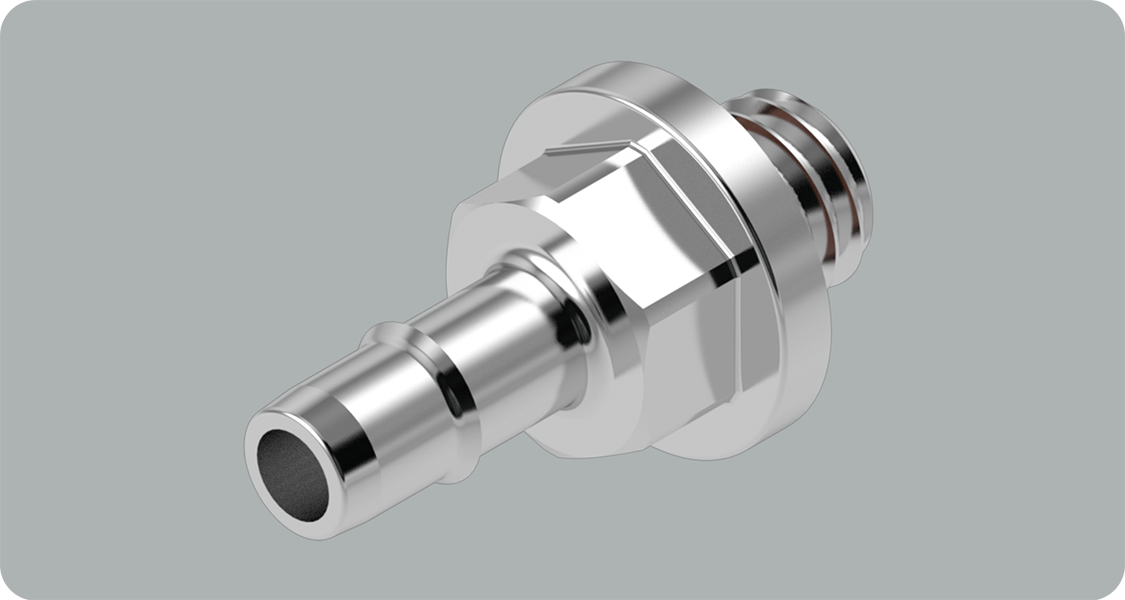
Barb to Thread
Incorporating our EBF body these barb to thread filters are available in premium materials offering exceptional durability and strength for secure, long-lasting connections. Available in 5-40 micron. Customisable on request.
Key Features
- Sizes: 1/16", 3/32" & 1/8" to 10-32 UNF
- Connection: Barb to Thread
- Material: Stainless Steel, Nickel Plated Brass & Brass
- Micron: 5, 10, 20 & 40
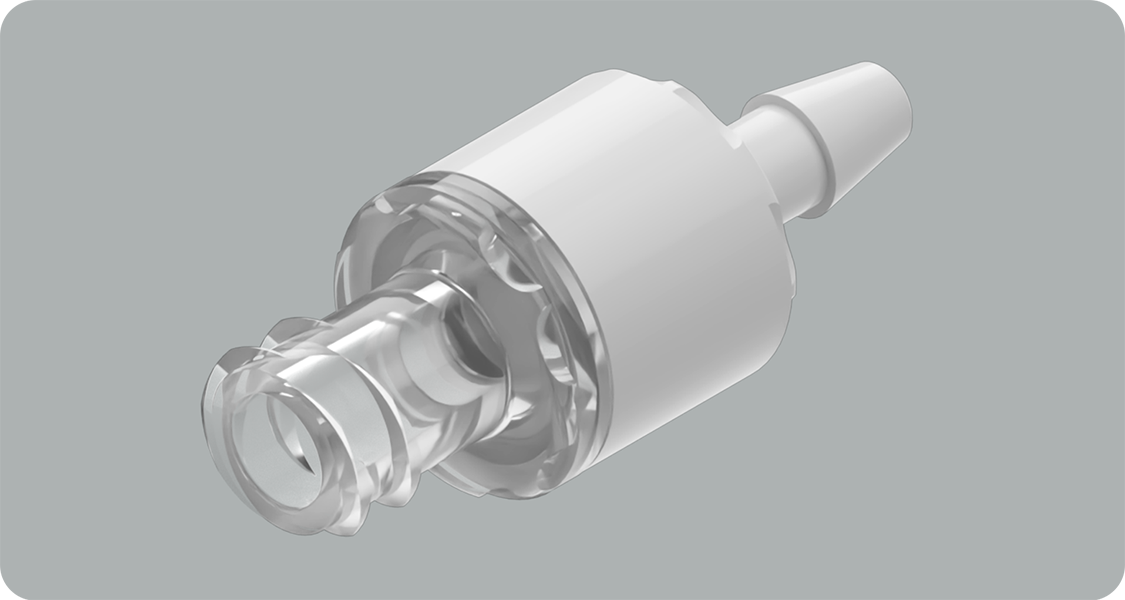
Luer
These ISO 80369-7 luer filters have a ABS housing and a Polystyrene filter body, incorporating a 0.2 micron hydrophobic Glass Fibre disc. Manufactured in a Class 8 cleanroom environment these are the perfect solution for your application.
Key Features
- Sizes: 1/16", 3/32" & 1/8"
- Connection: Barb to Male/Female Luer Lock
- Material: ABS Body with Polystyrene & Glass Fibre Filter
- Micron: 0.2 Hydrophobic Filter
Filters at a Glance
A filter is a component that is used in a system for a variety of purposes but is primarily used to remove particulates from the media passing through it. This ensures that the product or media passing through is clean and of high quality to remove viruses and bacteria in demanding medical applications. Filters are usually made up of a body and filter. The body is offered in various materials, enabling it to be connected to the system with connection options such as a thread or barb. Within the body is the filter media, which actions the filtering of the system media (gases, liquids, blood etc.) The filter media is made from different materials, the choice of which is often driven by compatibility with the gas or liquid passing through. They also have different “pore sizes” – the size of which denotes the minimum particle size that it will filter out of the system.
Need help finding the right filter?
Why Choose our Filters?
EoxMfg offers a choice of filters to suit your application. In-line filters are cost effective and the filter material is hydrophilic which will allow the liquid media to pass through but not air or gases. Our barb to thread range is offered in a durable metal with various microns, material and barb options giving flexibility to your project. We can offer bacterial ISO 80369-7 filters which are barb to male or female luer options. Serviceable filters are designed to easily change the filter element with the advantage that the filter can be removed and replaced when required after becoming blocked or during a regular service maintenance period. Cleanliness lies at the heart of the EoxMfg range of Filters which are designed to protect your equipment and keep it contaminant free.



Customise Your Filter
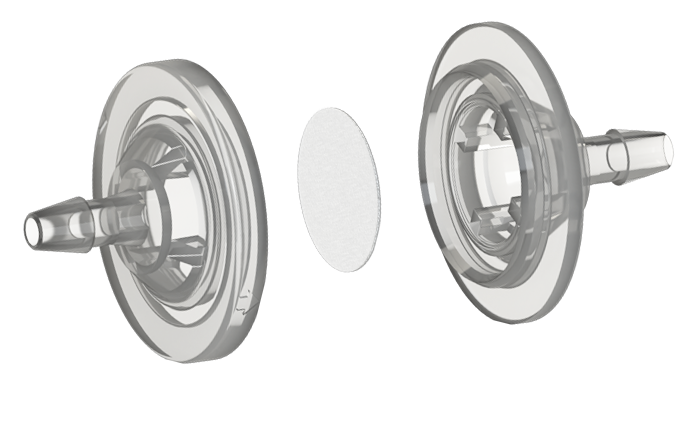
Our filter configurator enables you to build the component your application requires - all of our parts are RoHs & REACH compliant.
Choose connection size, filtration level and material to create your optimum solution.
Things to consider when choosing a filter
Filters are an integral part of many medical devices but choosing the correct one can be difficult, with the many different options and filter styles available.
EoxMfg can guide you through this process and help you select the perfect filter suitable for your device. Click on the icons below to learn more.

XClose


Regulatory Compliance
All EoxMfg filters are RoHS & REACH compliant but there are often other regulatory requirements – the “non-interchange” of medical components – ISO 80369, USP Class VI, FDA approved, California Prop 65, Animal Free Materials etc – check the technical data on each product page for related compliance or contact us for more information.
XClose

Sterilisation
Where the filter is located in the system will dictate whether the manufacturing process of the filter itself requires to be in a sterile environment or not. If it is being used directly with a patient line, then of course it would be. If used on a machine then it can depend where on the device it is located – if there is a possibility of the media coming into contact with the patient then yes, it would require to be a sterile component but if not then it may not be necessary. A good example of this would be a ventilator – many of the components on a ventilator are in direct contact with the patient and many are not. Check our technical specifications of each component to see if the product can be sterilised or not, and which method(s) are suitable e.g. autoclave, EtO sterilisation or gamma radiation.

XClose

Media Compatibility
The media that passes through the filter needs to be compatible with the filter materials – not just the filter material itself (screen, mesh etc) but also any part of the filter body that it comes into contact with (known as the “wetted” materials). The specification of all products denotes the “wetted” and “non-wetted” materials to aid you in your selection.
XClose

Flow Rate
You must select the correct filter size that will allow enough flow to pass through that which your system requires. Our filters are all available with full dimensional drawings to aid in this selection. Please note that as the filter becomes “clogged up” (i.e. doing the job it is designed to do) this flow rate will reduce. Many devices have a service interval period where components such as the filter are replaced to prevent this from becoming a problem.
XClose

Pressure Tolerance
The filter needs to be rated above the max pressure level that your system can produce, Many design engineers build in a significant safety factor considerably above this level in case of pressure spikes for example.
XClose

Filtration Level
Many components used in any system have a level of contaminant size which the product is safe to use with (many component manufacturers will specify this e.g. solenoid valves, check valves etc). It may be tempting to have the lowest filtration available yet this could reduce the life of the filter as it may become clogged more quickly than it should do. Remember that it should be the “lowest” filtration level required in the whole system that the filter is part of, not just the next component that comes after it.

XClose

Connection
How will you be connecting the filter into your system? – Use barbed connections for soft tubing and push-in fittings for harder tubing, luers, threads – EoxMfg has many options available to cater for this requirement.

XClose

Serviceable
When the filter requires to be changed (as it becomes clogged or as part of a service interval) is the whole filter to be disposed of or is it just the “filter element” i.e. the part that is removing contaminant from the media? EoxMfg can cater for both these scenarios and provides “serviceable” filters and their respective elements that will be changed.
XClose

Durability
Filters with metal bodies offer exceptional durability and strength for secure, long-lasting connections. Components with plastic moulded bodies are suited to both smaller batch sized applications such as R&D or pre-production trials and also for very large volume production where the filter and housing would have to be replaced regularly.

XClose

Water/Air Removal
Many system designs do not allow for the presence of water/liquid as could be harmful or detrimental to the device – there are different ways to remove water/liquid from a system but one is with the use of filters – choose between “hydrophobic” which will allow air/gas to pass through but not liquid and in the case where liquid is allowed in the system but not air or gas (eg. an IV line) then select “hydrophilic” which allows liquid to pass through but not air or gases.
Custom Options & Extras
- Custom made components designed by our in-house team to meet your specific requirements including connection, material and performance options
- Multiple connection configurations engineered for compatibility with a wide range of tubing options
- Customisable logo, marking and identification options to support traceability, batch control and branding
- Ultrasonic cleaning to ensure components are thoroughly cleaned to a high standard suitable for healthcare and lab environments
- Passivated surface finishes to improve corrosion resistance, media compatibility and long‑term stability in sensitive environments
- Specialised bagging and packaging solutions including cleanroom and application specific handling requirements
- Off-the-shelf ready to buy O-rings